Lula wins Brazil presidency with late surge as rival seeks annulment
A final push by 10.4 million voters secured the incumbent's fourth term, prompting a legal challenge from Senator Flávio Bolsonaro and a dispute from President Trump.
By Dylan Carter ·
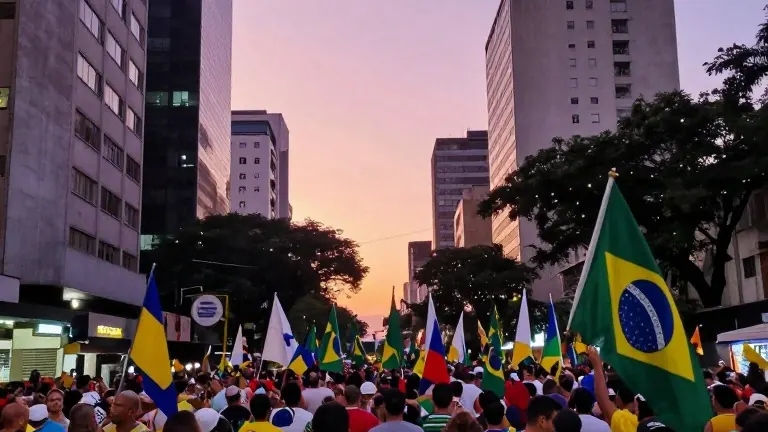
Luiz Inácio Lula da Silva has secured his fourth term as president of Brazil following a decisive victory in the Sunday runoff. The incumbent, who is set to assume office on January 5, 2027, defeated Senator Flávio Bolsonaro by a margin of nearly four percent. Lula received more than 64 million votes, while his opponent garnered just under 60 million.
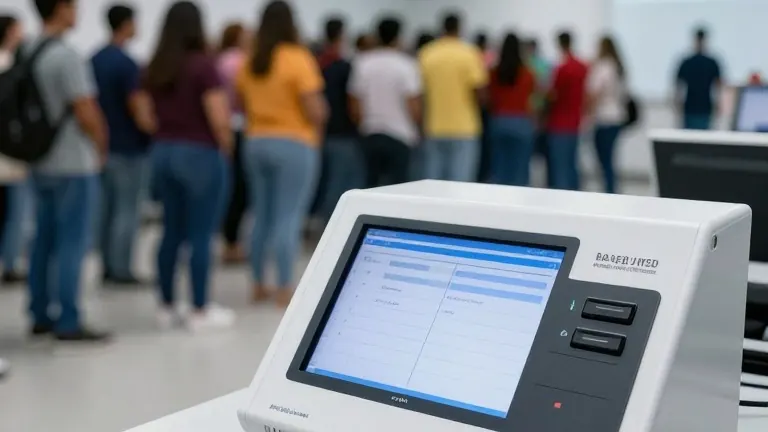
The outcome hinged on a late surge in voter participation. An additional 14.1 million people cast ballots in the second round compared to the first. Analysts estimate that three-quarters of these late votes went to Lula. This influx included former non-voters, those who cast blank ballots in the first round, and supporters of third-party candidates who had previously abstained.
Lula’s campaign credited a digital operation led by lawmaker André Janones for mobilizing these voters. Janones ran a social media strategy that he described as aggressive and constant. A WhatsApp channel called Lula's Army gathered almost 11 million members who shared campaign materials online. Oliver Stuenkel, a professor at Fundação Getulio Vargas in São Paulo, noted that the campaign adopted a style previously associated with the right to reach uncommitted voters.
Senator Flávio Bolsonaro announced on Sunday that he intends to request the annulment of the election. The decision follows a chaotic extension of voting hours that was granted at the request of both candidates. It is currently unclear what specific legal path Bolsonaro will pursue to overturn the results. His father, former President Jair Bolsonaro, previously contested his 2022 loss without success.
Flávio Bolsonaro visited his father, who is serving a 27-year sentence for a coup attempt, on Monday. The younger Bolsonaro’s public relations office confirmed the visit. Jair Bolsonaro is under house arrest as part of his sentence.
President Donald Trump suggested on Monday that the election was rigged. Speaking to reporters before departing for a rally in Mississippi, Trump stated that the tabulation process looked very bad. He added that it looked like another rigged election, though he did not provide specific evidence to support the claim.
Brazil’s electoral authority, led by Kassio Nunes, recognized Lula’s victory on Sunday. Nunes was appointed to the Supreme Court by Jair Bolsonaro. Brian Winter, a Brazil analyst at Americas Quarterly, described the situation as an uphill battle for Flávio Bolsonaro. Winter noted that Brazilian power brokers are closing ranks behind Lula, often begrudgingly, and do not want a truly contested election.
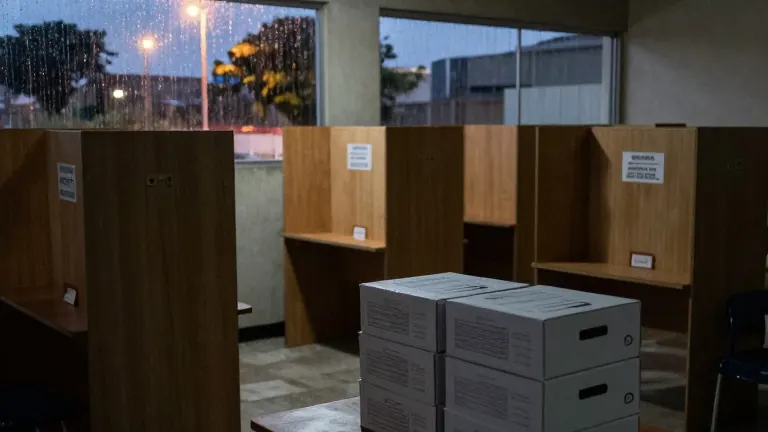
The voting extension was requested by both sides for different reasons. Lula sought more time due to public transportation issues in São Paulo and Salvador. Flávio Bolsonaro requested the extension following heavy rains in the south, a region where he performed well in the first round. A Supreme Court justice approved the change minutes before the standard 5 p.m. closing time, causing confusion at many polling stations.
Juliano Cortinhas, a professor at the University of Brasília, said the social media initiative also pressured Meta to end perceived bias against the left. Brazil’s top electoral court ruled on October 15 that Meta must ensure equal treatment of both candidates. The company later stated it had addressed the measures.
This marks the first time since 1989 that a candidate who trailed in the first round won the second. Lula achieved his highest gains in lower-income municipalities where his political base is established. He also mobilized voters in wealthier metropolitan centers. Brazil’s electronic voting system, introduced in the 1990s to combat fraud, has generally been reliable, with results reported hours after polls close. No significant fraud has ever been detected in the system.
Source: ABC News