Thousands Take Over Car-Free Colorado Boulevard at Pasadena CicLAvia
Pasadena’s open-streets event brought residents together to explore downtown without cars while drawing attention to pedestrian and cyclist safety.
By Xiaoyu Wang ·
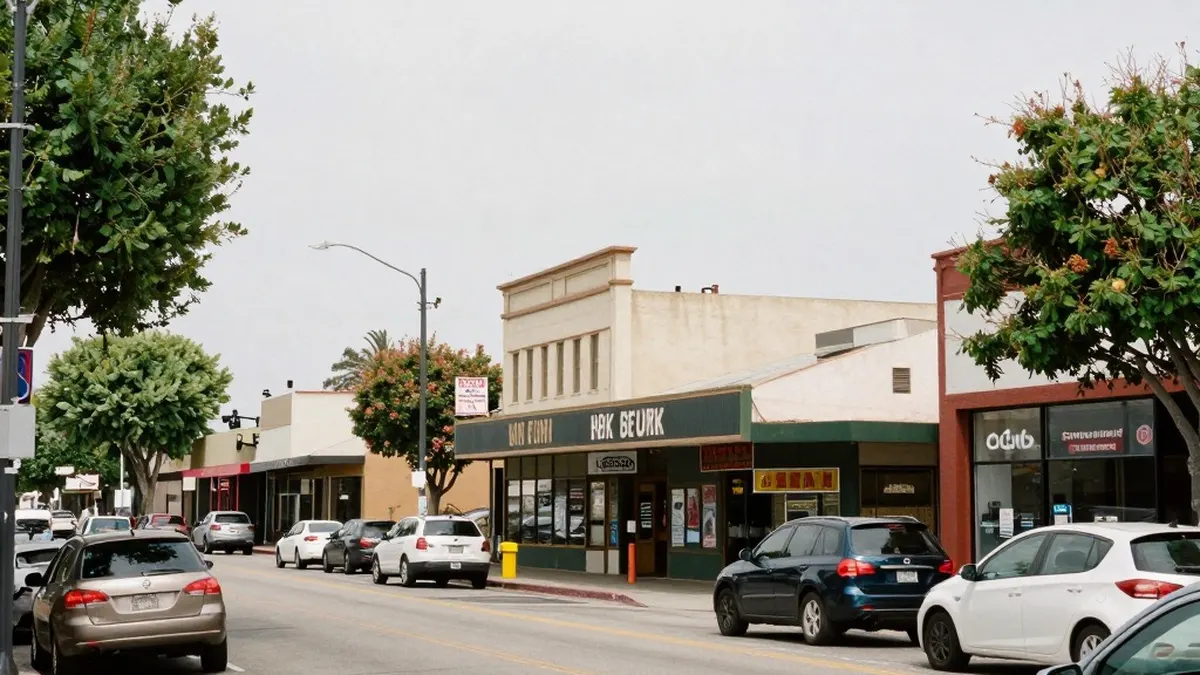
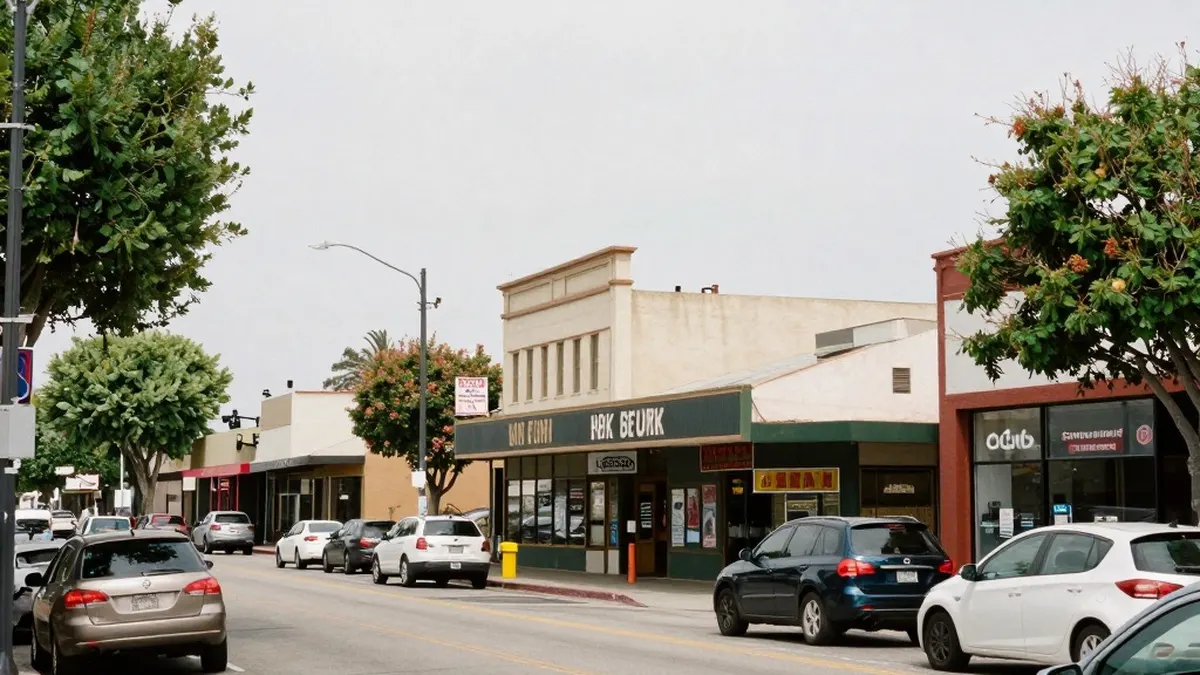
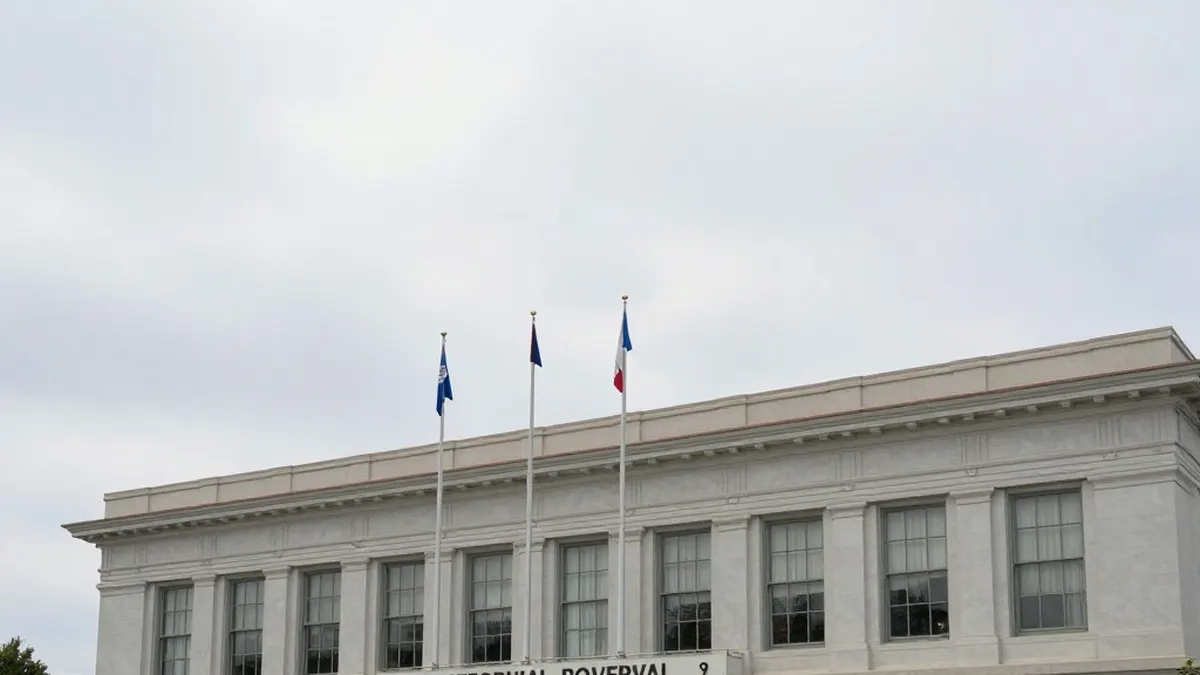
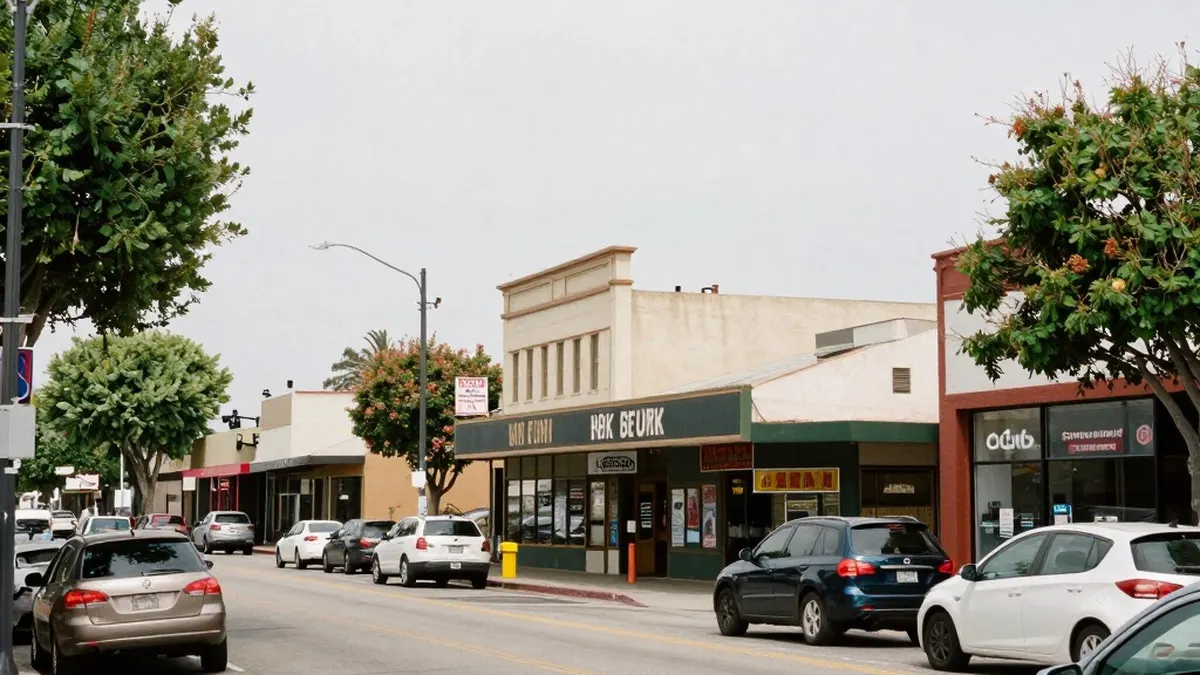
Thousands of people traveled through downtown Pasadena without cars on Sunday, Nov. 15, as CicLAvia opened nearly three miles of streets to bicycles, skateboards, roller blades, strollers and other forms of transportation. Participants of different generations shared the roadway at their own pace in an event intended to encourage a fresh look at public spaces, rather than competition.
For CicLAvia Executive Director Romel Pascual, the scene recalled a closure on the same street a decade earlier, when he was beginning his leadership of the organization. He described the experience as refreshing, saying that getting outside a car creates opportunities for conversation. Inspired by Bogotá, Colombia’s Ciclovia, the Los Angeles event began in 2010 and has since grown from a novelty into a familiar gathering, with 69 events held.
Samantha Cortes, a finance worker who has lived in Pasadena for 29 years, attended her first CicLAvia with her husband, Kyle Cortes. She regularly bicycles along Colorado Boulevard to work and hoped the temporary transformation would help drivers understand the experience of riding there. Cortes said she wanted to see more people traveling by bicycle, fewer cars and more bike lanes.
The city, Metro and CicLAvia organized the event, with businesses and local organizations helping provide places for participants to eat, drink and gather. Pascual emphasized the value of that involvement, saying people moving through a neighborhood outside a car can better notice storefronts, street conditions and trees, deepening their understanding of where they live.
Pasadena Transportation Director Joaquin Siques said preparations took months and included outreach to businesses along Colorado Boulevard between Pasadena Avenue and Allen Avenue, as well as Raymond Avenue between Pacific Alley and Dayton Street. A grant of about $500,000 from Metro’s Open and Slow Streets Grant Program helped make the event possible.
Siques said the gathering also gave the city an opportunity to hear residents’ views on transportation efforts, including Safer Streets Pasadena, which seeks to reduce traffic injuries and deaths. Improving roadway safety for people walking, cycling and driving is a city goal, he said. He also described the event as a way to use existing streets, restaurants and storefronts to make places accessible without a car.
That safety message carried particular weight at a ceremony in Memorial Park, where loved ones and local leaders remembered hundreds of victims, including pedestrians and cyclists. Those attending included Rep. Judy Chu, D-Pasadena, Pasadena City Councilmember Jason Lyon and Los Angeles City Councilmember Adrin Nazarian. Family members spoke about people they had lost and urged greater protection for vulnerable road users.
Nazarian’s North Hollywood district was still mourning the previous week’s crash outside the North Hollywood Metro Station. An alleged drunken driver drove a minivan into street vendors and pedestrians, killing three women and injuring several others. At the Pasadena remembrance, emotional accounts of loss reinforced a simple appeal to those navigating the region’s streets: “go slow.”
Originally published by News Media House
More News · Pasadena news · Report a business · Got a Story?