Fracking industry faces scrutiny for hiding drilling chemicals in Colorado
A new report alleges that the fossil-fuel industry is violating state law by failing to disclose chemicals used in drilling, leaving regulators and residents uncertain about potential health risks.
By News Media House Staff ·
A new analysis by the non-profit FracTracker Alliance alleges that the fossil-fuel industry is violating Colorado law by failing to disclose the specific chemicals used in drilling operations. The report suggests that state records indicate the use of compounds that are either illegal or dangerous for fracking, highlighting a significant gap in regulatory oversight.
Colorado enacted a first-in-the-nation law in 2022 requiring operators and suppliers to publicly disclose all chemicals used in downhole oil and gas production. However, regulators have created an exemption for drilling compounds, arguing that drilling is distinct from production. FracTracker contends this interpretation contradicts standard definitions used by legislators, public health groups, and the industry itself, which generally include drilling in the definition of production.
The analysis found that at least five chemicals reported for use in fracking are prohibited by state law. Additionally, fossil-fuel companies reported the use of at least three highly toxic chemicals that raise serious safety concerns. Approximately 43,000 people live within a mile of the state’s wells, with many residing just a few hundred feet away. The report argues that regulators are currently unable to assess the cumulative impact of these undisclosed substances on local communities.
Shannon Smith, executive director of FracTracker, described the situation as a public health crisis that demands urgent attention. The organization, which began in Pennsylvania in 2010, now operates nationally to monitor fossil-fuel related health threats. Under current rules, operators must disclose downhole chemical ingredients to the Colorado Energy and Carbon Management Commission, or ECMC, within 150 days.
An ECMC spokesperson stated that the agency is aware of differing views on the scope of chemical disclosure requirements. The agency is currently applying the law under the existing statutory framework while working with stakeholders to clarify these issues. Major producers in the state, including Halliburton, Chevron, and Occidental Petroleum, are subject to these regulations. A Chevron spokesperson noted that the company takes disclosure requirements seriously and remains focused on transparent operating practices.
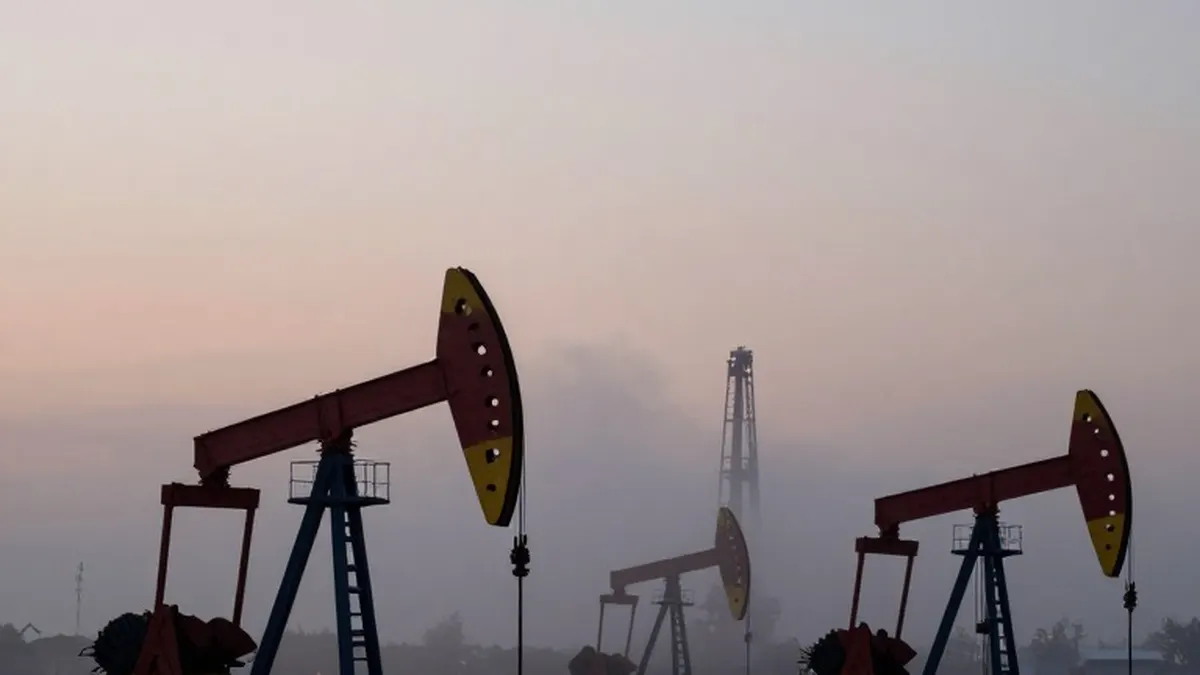
The process of hydraulic fracturing involves pumping pressurized liquid into the earth to fracture bedrock and release trapped oil and gas. While these fluids are primarily water and sand, they contain industrial chemicals such as biocides, surfactants, and lubricants. Hundreds of studies have linked toxic chemicals found in fracking fluids, including formaldehyde, PFAS, and benzene, to health issues like cancer, hormone disruption, and neurological damage.
Dusty Horwitt, senior research and policy counsel at FracTracker, noted that the ECMC does not consider drilling part of fracking or production. He added that this stance is inconsistent with the definition provided by the American Petroleum Institute, which includes drilling, extraction, and recovery. Meg Froelich, the state representative who co-wrote the 2022 legislation, said she intended for drilling chemicals to be disclosed. She criticized the ECMC for stalling and word-parsing the law, emphasizing that everything going downhole has the potential to affect neighbors.
State records show that wells covered by the law operated without drilling chemical disclosure for at least 843,369 days collectively from the rules’ implementation until May 16. The report also raises questions about the use of PFAS, which is now banned at oil and gas sites in Colorado. Industry literature suggests PFAS is a common drilling chemical, creating uncertainty about whether companies are complying with the new ban.
Records from other regions, such as Ohio, show frequent use of xylene, a chemical associated with headaches, dizziness, and loss of muscle coordination. FracTracker also identified five chemicals used in fracking despite state prohibitions, including 1-butanol and 1,4-dioxane. The ECMC confirmed it has issued notices of alleged violation for these prohibited substances. The report follows a previous Guardian analysis that found companies had pumped millions of pounds of secret chemicals into the ground without required disclosures. Since then, compliance rates have improved, though drilling chemicals remain a point of contention.
Among the permitted but potentially harmful chemicals are acrylamide, ethylene oxide, and methanol. These substances were disclosed for use in a well in Galeton that experienced a significant fluid release in April 2025. Residents living near wells have reported various health issues, including respiratory problems and nosebleeds, further fueling concerns about the long-term impact of undisclosed drilling chemicals.
Originally published by News Media House